The Valencia issue
Valencia's Orange Season, From Market Stall to Michelin Plate
How to follow Valencia's winter citrus harvest from the Mercat Central's fruit stalls out to the huerta's family orchards and onto two Michelin tasting menus.

By Bram VerhoevenNeighbourhoods, sights and slow days out
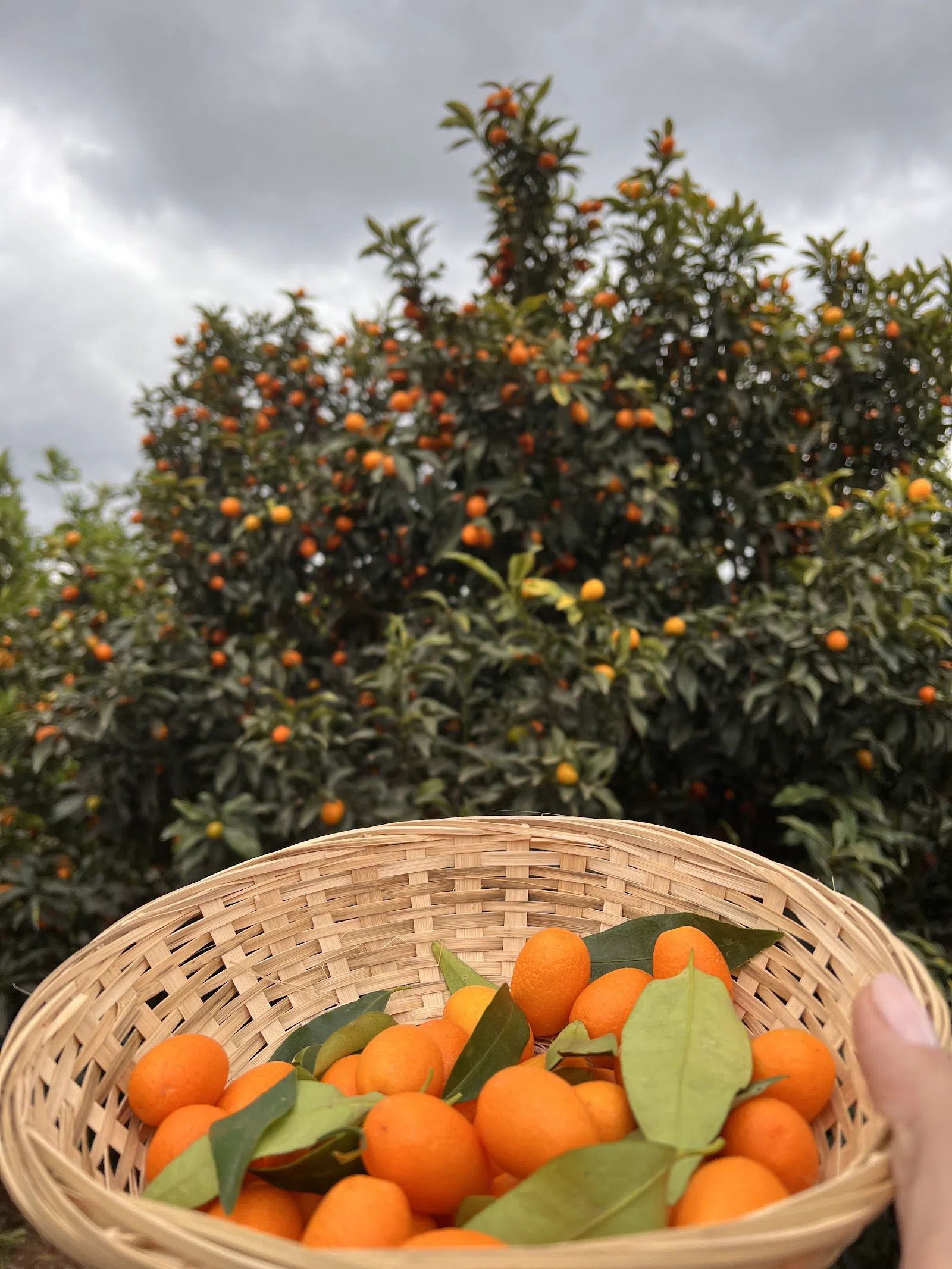
Each January the old town starts to smell different: not perfume, not traffic, but orange, sharp and green-skinned at first, then sweeter as the weeks pass and the crop ripens on trees planted as much for shade as for fruit. Follow that smell from the market stalls into the surrounding huerta and you get the clearest read of Valencia's calendar there is. This is the city's fifth season, running roughly from December into April, and reading it properly means moving between stalls, orchards, an apothecary shelf and a couple of dining rooms serious enough to put orange blossom on a tasting menu. The Valencia guide covers the rest of the city; this is just the citrus thread pulled all the way through it.
Two markets tell the same citrus story differently
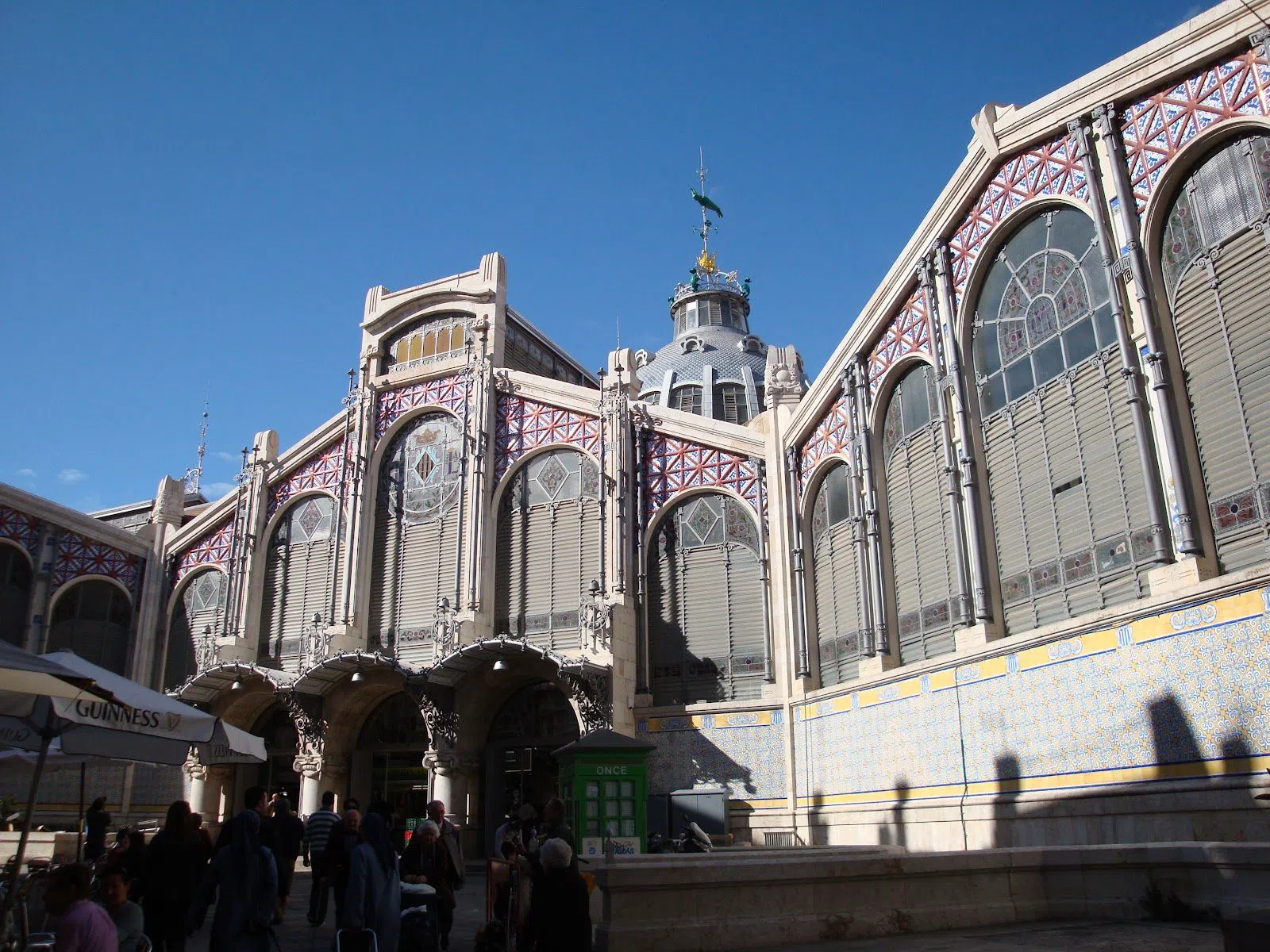
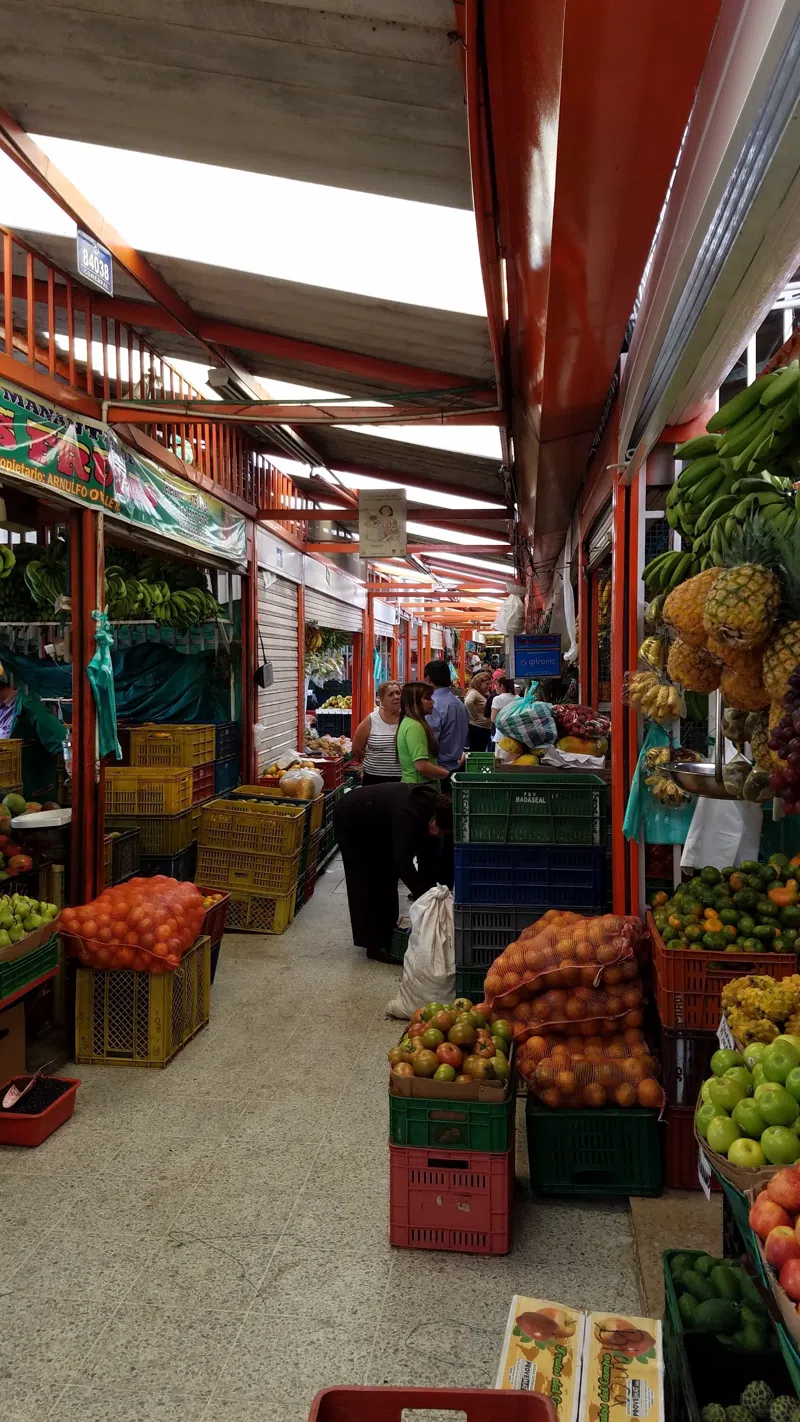
Mercat Central de València (Ciutat Vella, the old town) is the obvious starting point and the right one. It's Europe's largest fresh-produce market under one roof, and in season its citrus stalls are stacked floor to ceiling with fruit still carrying leaves and stems, priced at roughly €1 per kilo. There's no booking system and none needed: it's a working public market that absorbs tourists and regulars alike without friction, and it suits couples wandering slowly just as well as larger groups, though a few local operators run guided market-tour add-ons if you want the stallholders' stories rather than just the produce. Go between 8 and 10am for the market at its most photogenic and least crowded; later in the day it's still functional but loses some of its theatre as stalls start packing down. One honest skip: the pre-packaged orange gift boxes stacked near the main entrances, aimed squarely at tourists heading straight back to a hotel. The same fruit sells for a third of the price two rows further in.
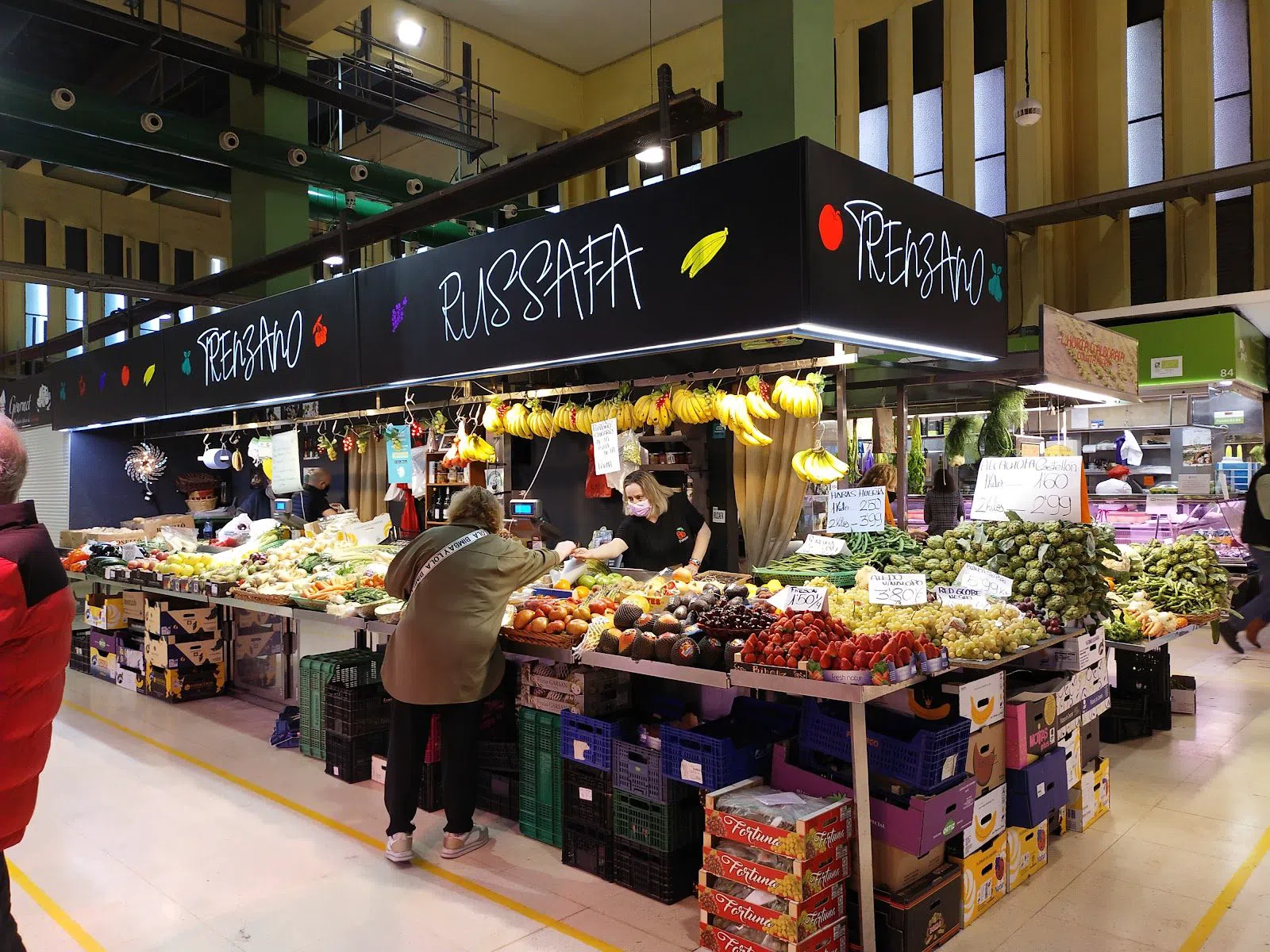
For a version of the same trade without the tour groups, Mercado de Ruzafa (Ruzafa) is smaller, quieter and entirely local: no booking, free to wander, and a useful corrective if Mercat Central starts to feel like a stop on a checklist rather than a market. It won't have the architecture or the scale, but it will have the same citrus stalls doing the same job for people who live two streets away, which is arguably the more honest read of how Valencia actually eats its oranges. It's a good half-hour add-on for anyone staying in or near Ruzafa rather than a detour worth making on its own from the old town.
Plan your Valencia trip
Live prices from our booking partners.
Free cancellation on many rooms. We may earn a commission when you book.
Into the groves where the fruit actually grows
The market tells you the orange arrived; the huerta tells you where from. Huerto Ribera (out in the huerta, Valencia's historic orange-growing belt) is a family orchard working the same land for more than 150 years, in what's genuinely considered the cradle of the Valencia orange. Standard tours run up to 25 people and cost €30 for adults, €12 for children aged 6 to 16, free under 5; private visits are available from a minimum of 8 people at the same per-person rate, which makes it workable for a mid-sized group without pushing costs up. Tours run in English, Spanish or French with advance notice, and end with fresh juice and a tasting of orange-blossom honey, which matters because it's the first point in the trip where the scent half of the story sits next to the fruit half on the same table. Wear closed shoes and bring sun protection even in winter; this is a working orchard, not a paved visitor centre.
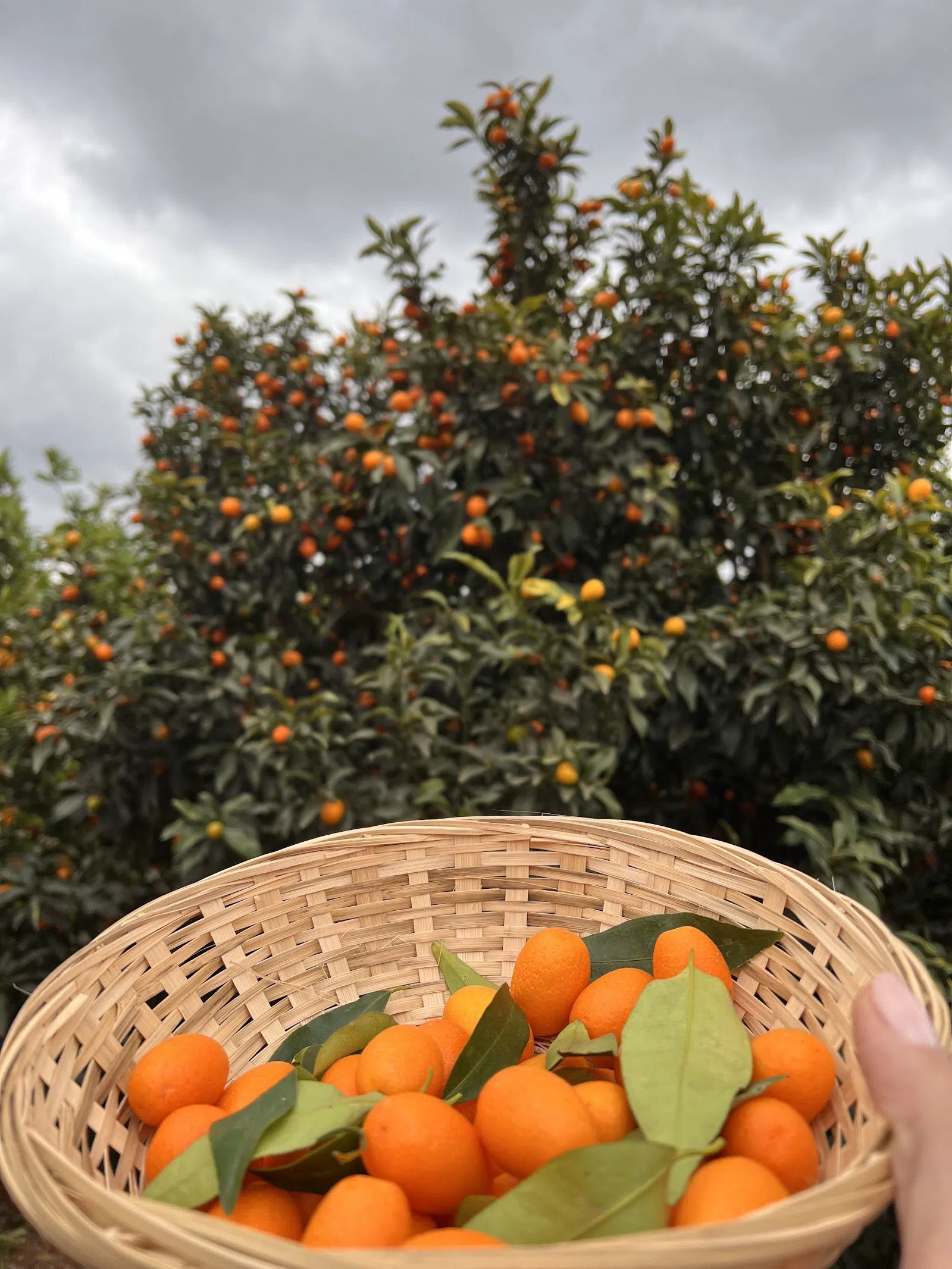
Huerto San Eusebio (also in the huerta) is the organic counterpoint, smaller-scale and guided Thursday through Sunday only. Adult pricing (€22, with children 6-12 at €10) applies to groups of six or more; smaller parties should arrange a visit directly rather than assuming the group rate holds. The one date that matters here: San Eusebio closes June through August, which sounds like a scheduling footnote until you realise it means this orchard only ever operates during the winter-into-spring harvest window this whole piece is about. Visit it in season or not at all.
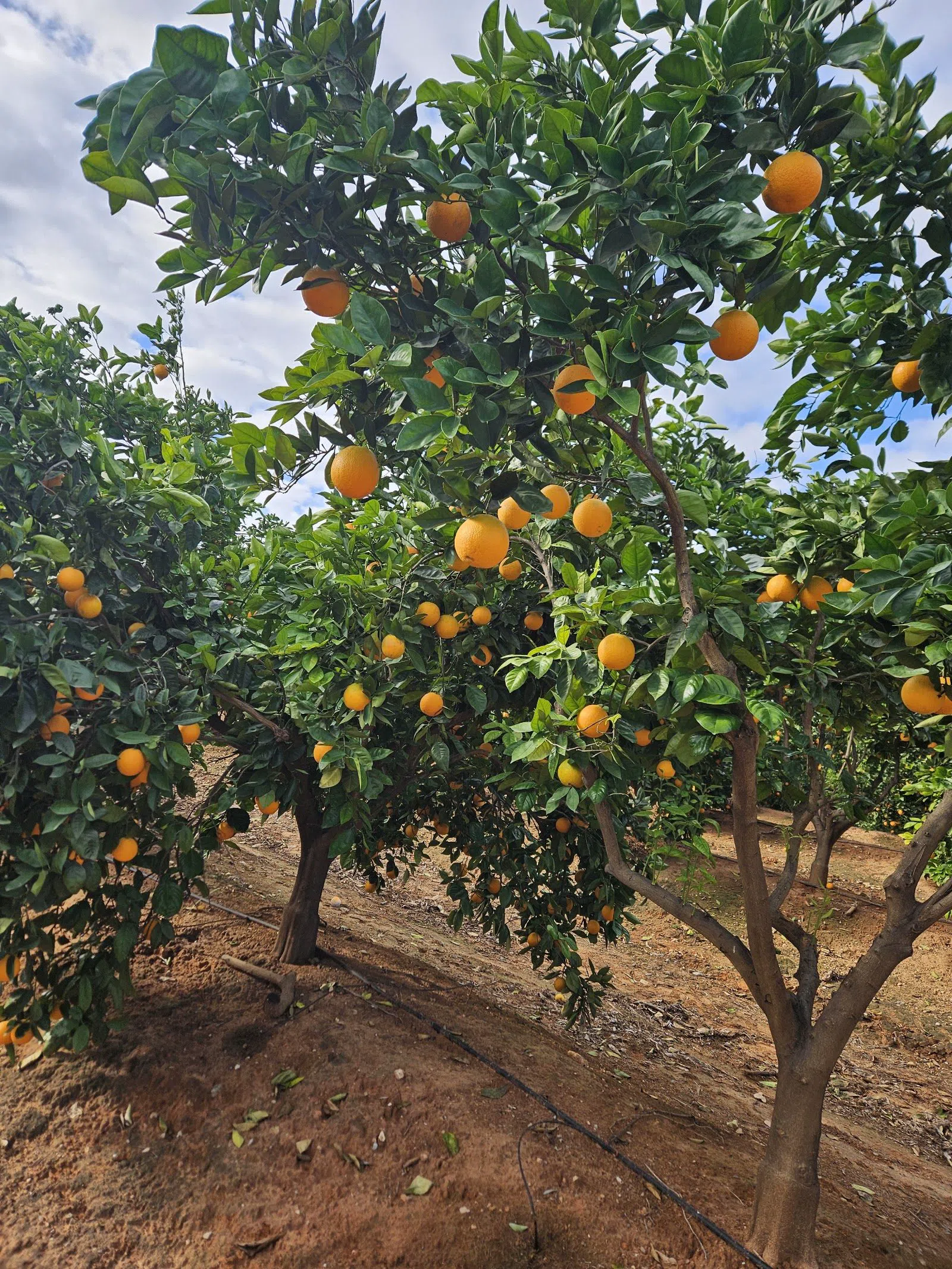
Between the two, Ribera suits anyone wanting scale and a straightforward, well-oiled visitor experience, including families and small groups; San Eusebio suits couples or small parties who want the organic angle and don't mind a tighter tour schedule and a smaller group size.
Seeing the orchards from a bike saddle
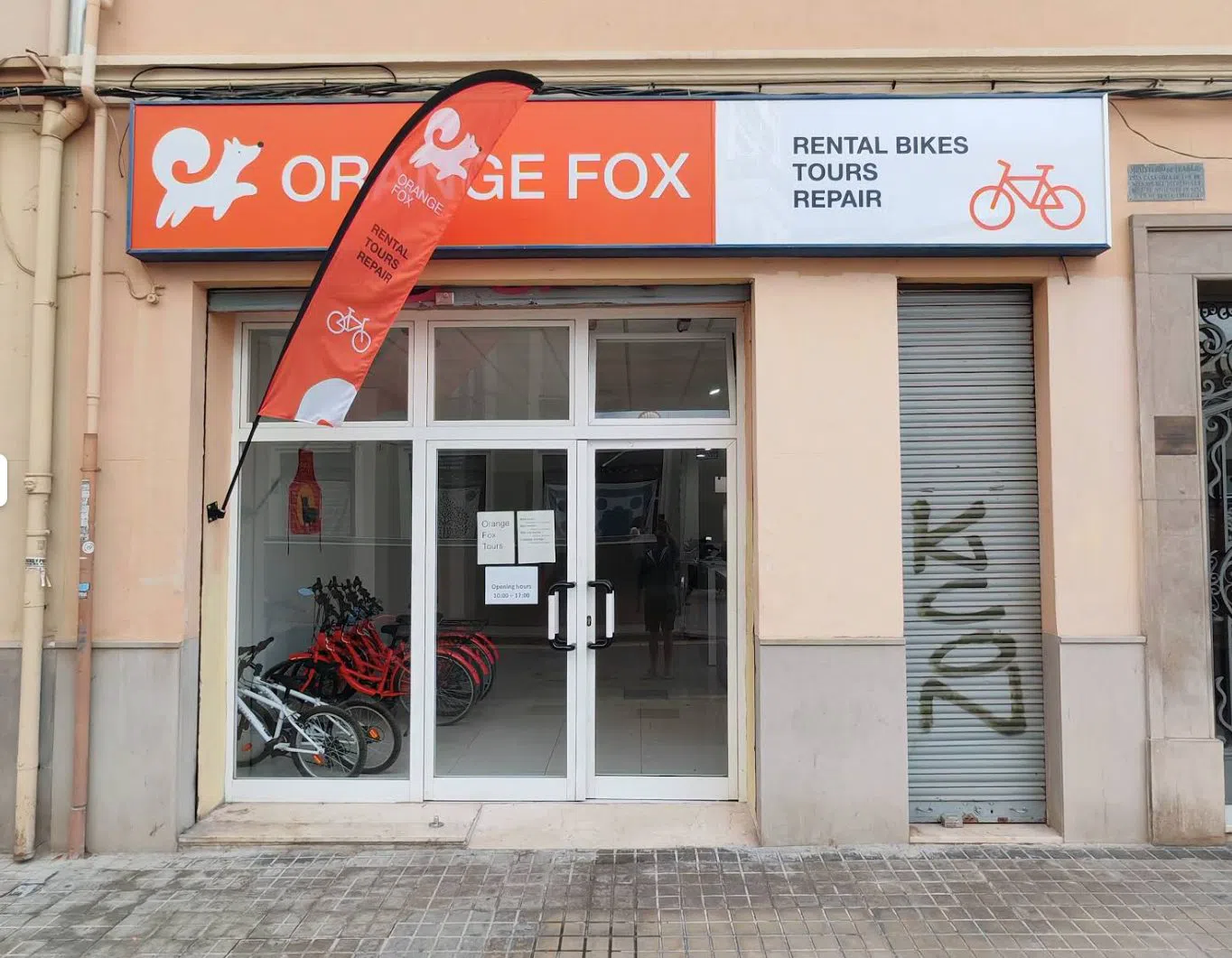
This entry is a different register: less guided narration, more physical immersion. The Orange Grove & Monastery Bike Tour run by Bike Well (departs from central Valencia) takes small guided groups out through the groves and past a monastery, with the return leg by train rather than doubling back on the bike. Base pricing starts around €9 per person, though it's worth confirming the current rate at booking since it moves; an e-bike upgrade adds roughly €20 for anyone not confident cycling for a half-day on a standard bike. It's the one entry on this list that gets you inside the orchards rather than being guided through them on foot, and it suits a more active traveller than the two estate tours above: someone who wants the physical sense of the huerta's scale, not just a guided narration and a tasting at the end. It doesn't suit anyone with limited mobility or a tight half-day schedule that already includes an orchard visit; pick one or the other rather than trying to fit both in.
The scent that outlasts the fruit
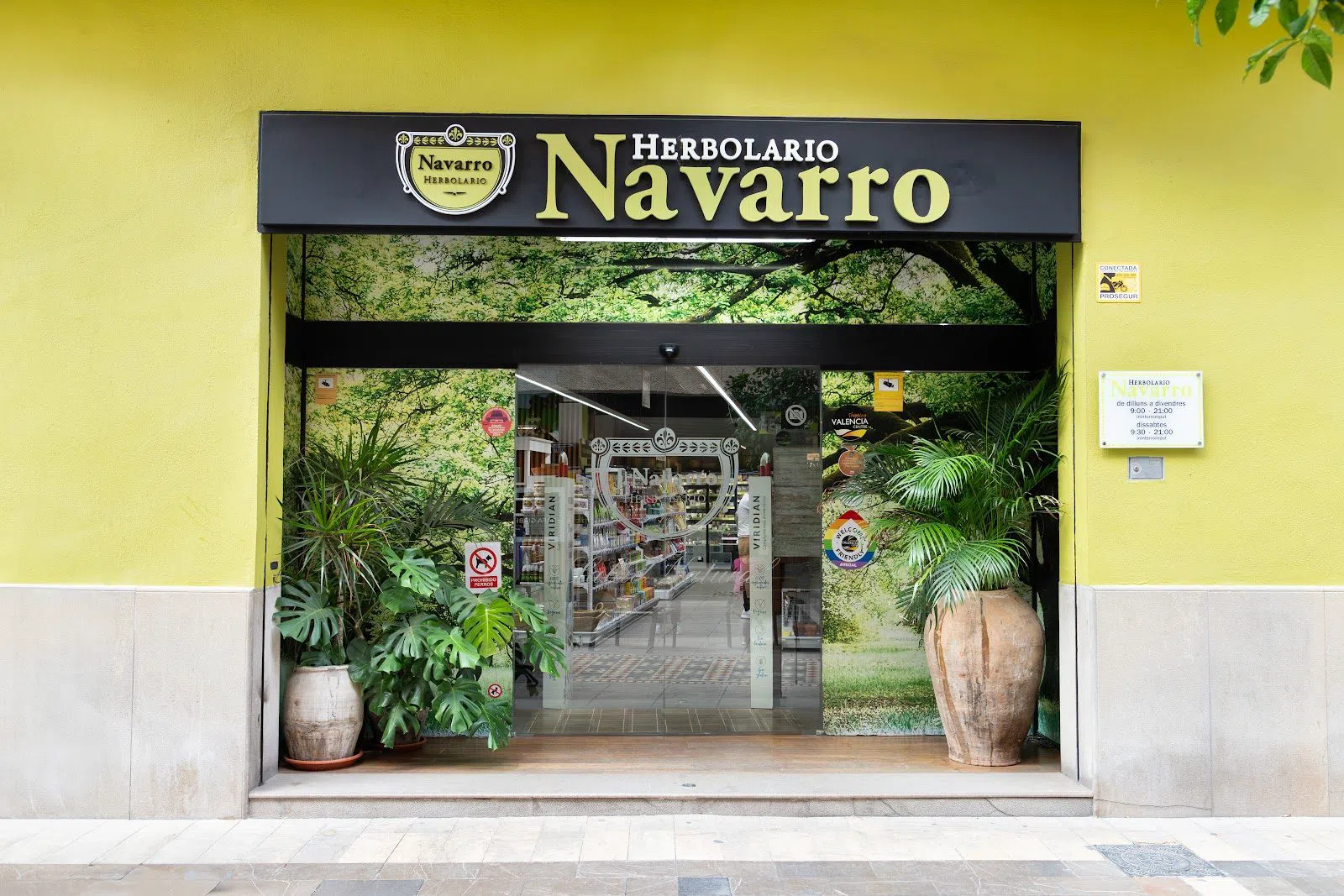
Oranges are only half of Valencia's citrus identity; the other half is blossom, and it's worth chasing separately. Herbolario Navarro (old town, an easy walk from Mercat Central) is Spain's oldest continuously running herbolario, a walk-in apothecary-shop with no booking required, where azahar (orange blossom) water and orange-blossom honey sit alongside the shop's wider herbal stock for roughly €3-15. Azahar water is a household staple here well beyond tourism, used in baking and, by some, as a mild home remedy for sleep, so buying a small bottle is picking up something locals actually use, not a souvenir invented for visitors. It's a five-minute stop, not a destination, but it's the place that makes clear the orange tree was valued in this city for its flower as much as its fruit long before anyone thought to put either on a Michelin menu.
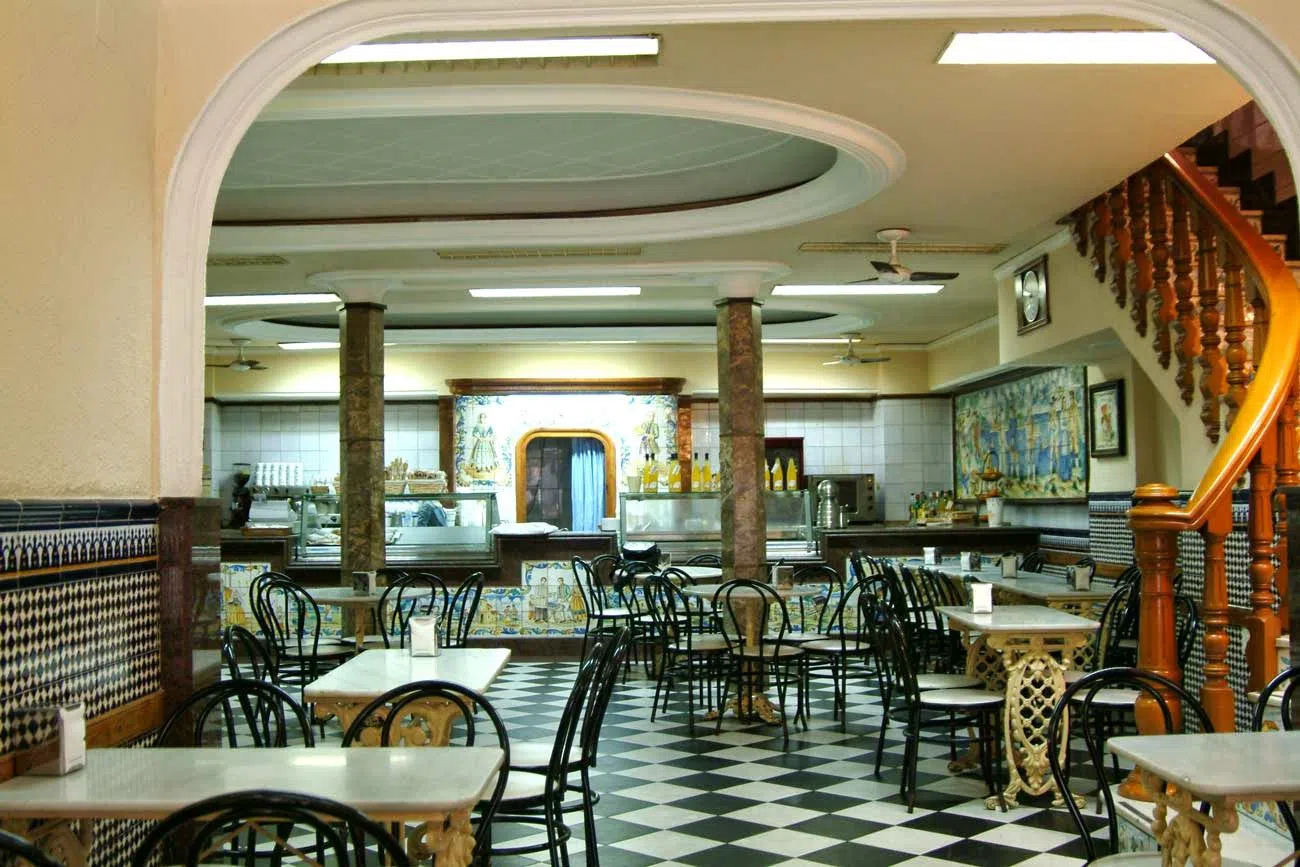
From there, Horchatería Santa Catalina (old town) is the natural next stop: the city's oldest horchatería, open daily 08:15 to 21:30 with no reservation needed, pouring fresh zumo de naranja right alongside its famous horchata for €3-6 a drink. It's a walk-in counter, not a sit-down restaurant, and it works equally well as a market-adjacent pit stop or a late-afternoon break between old-town wandering, the kind of place you drop into rather than plan around. It suits solo travellers, couples and small groups equally since there's no table to book.
A modernist market built for a different crowd
If Mercat Central is the working-class heart of the citrus trade, Mercat de Colón (L'Eixample) is its architectural bookend: a grand modernist food hall a short walk or metro ride from the old town, open to everyone and easy for groups to move through without the crowding of Mercat Central. Entry is free and café/bar prices vary by unit; note that some ground-floor units were mid-renovation as of mid-2026, so it's worth checking ahead if you have a specific stall or bar in mind before making the trip. It's less about the citrus itself here and more about seeing the market format Valencia exports elsewhere: glass, ironwork, and a very different pace from Mercat Central's stalls. Couples looking for a coffee stop will get more out of it than anyone hunting specifically for fruit.
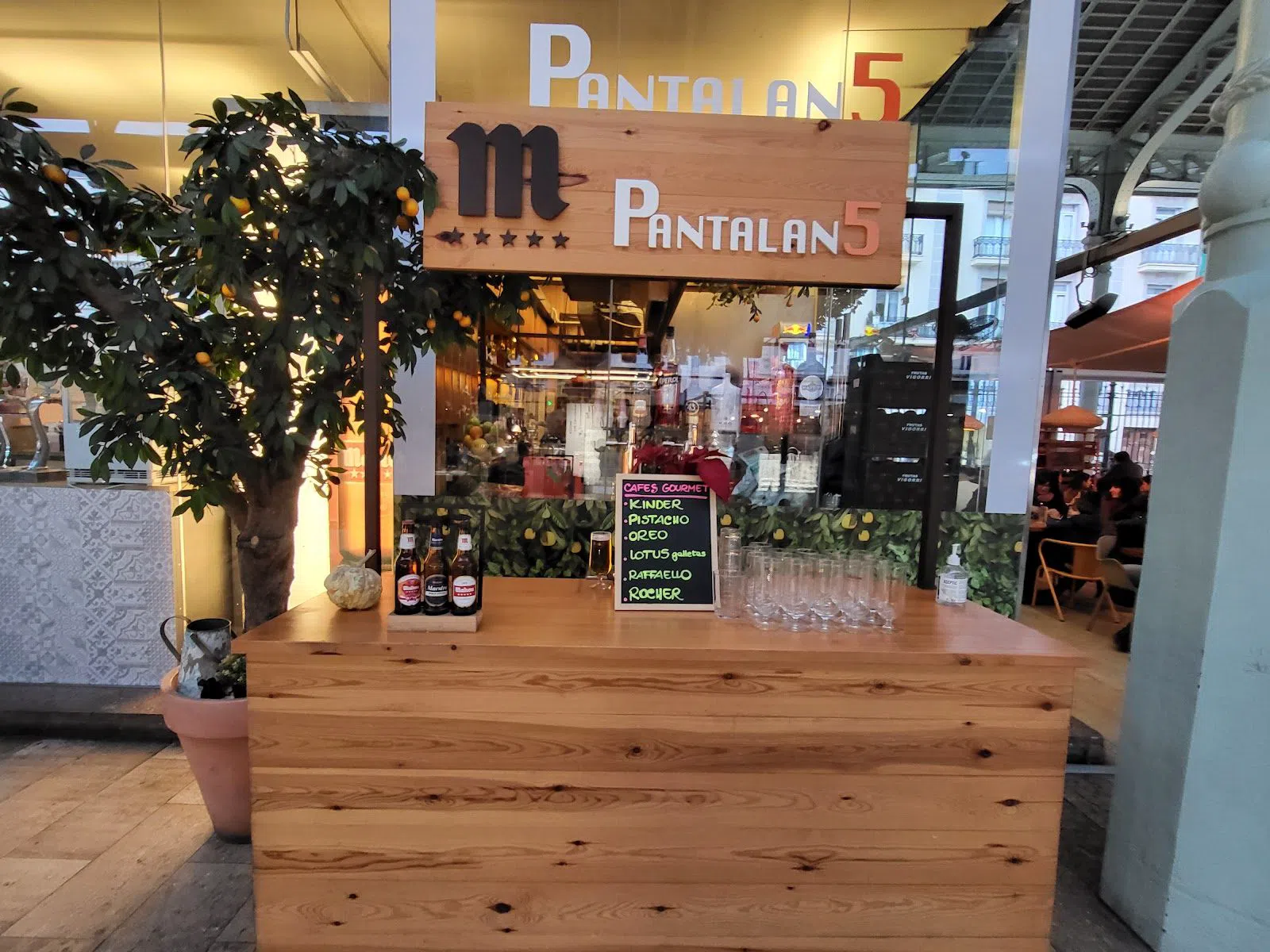
Citrus blossom on the tasting menu
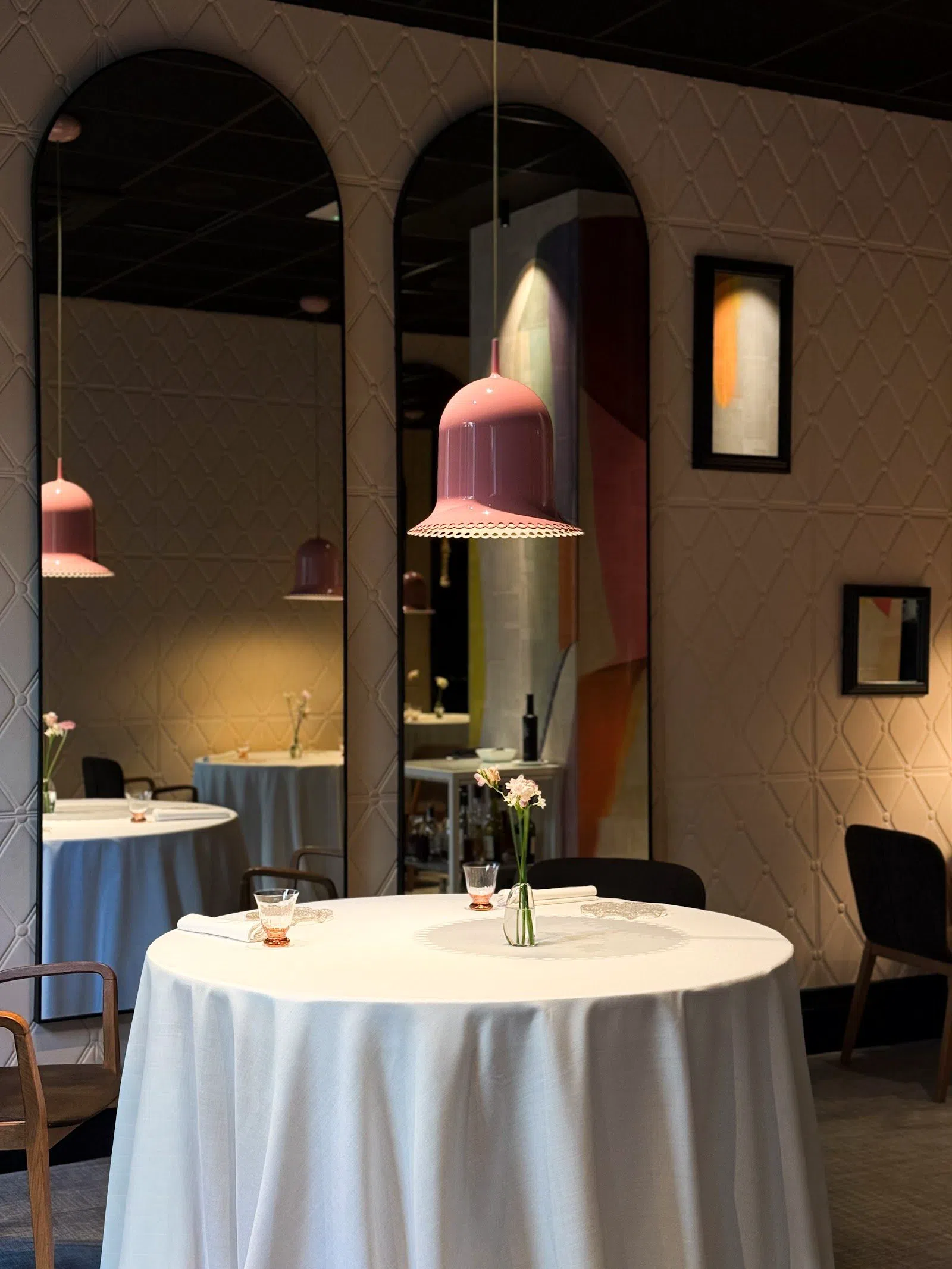
The top of this story is where a market ingredient becomes a two-star dish. El Poblet (city centre) puts Valencia's citrus blossom, not just the fruit, on a two-Michelin-star plate, with tasting menus running €85-125. Reservations are essential and should be made well ahead; group bookings go through direct arrangement by phone (+34 961 111 106) rather than the standard booking flow, so call rather than trying to book a large table online. This is the ceiling the rest of the piece is measured against: the same blossom sold for a few euros at Herbolario Navarro, refined into a plated course.
Ricard Camarena Restaurant (edge of downtown) holds two Michelin stars and a Green Star, and is the sustainability half of the same argument: a chef building menus around hyper-local Valencian produce, citrus included when it's in season, with tasting menus in the €100-160 range. Book through TheFork, the Michelin Guide, or directly; group requests go through [email protected] rather than a phone line. Both restaurants need real advance planning (this isn't a same-week booking in high season), but between them they make the case that Valencia's citrus culture runs from stallholder to Michelin kitchen without a gap.
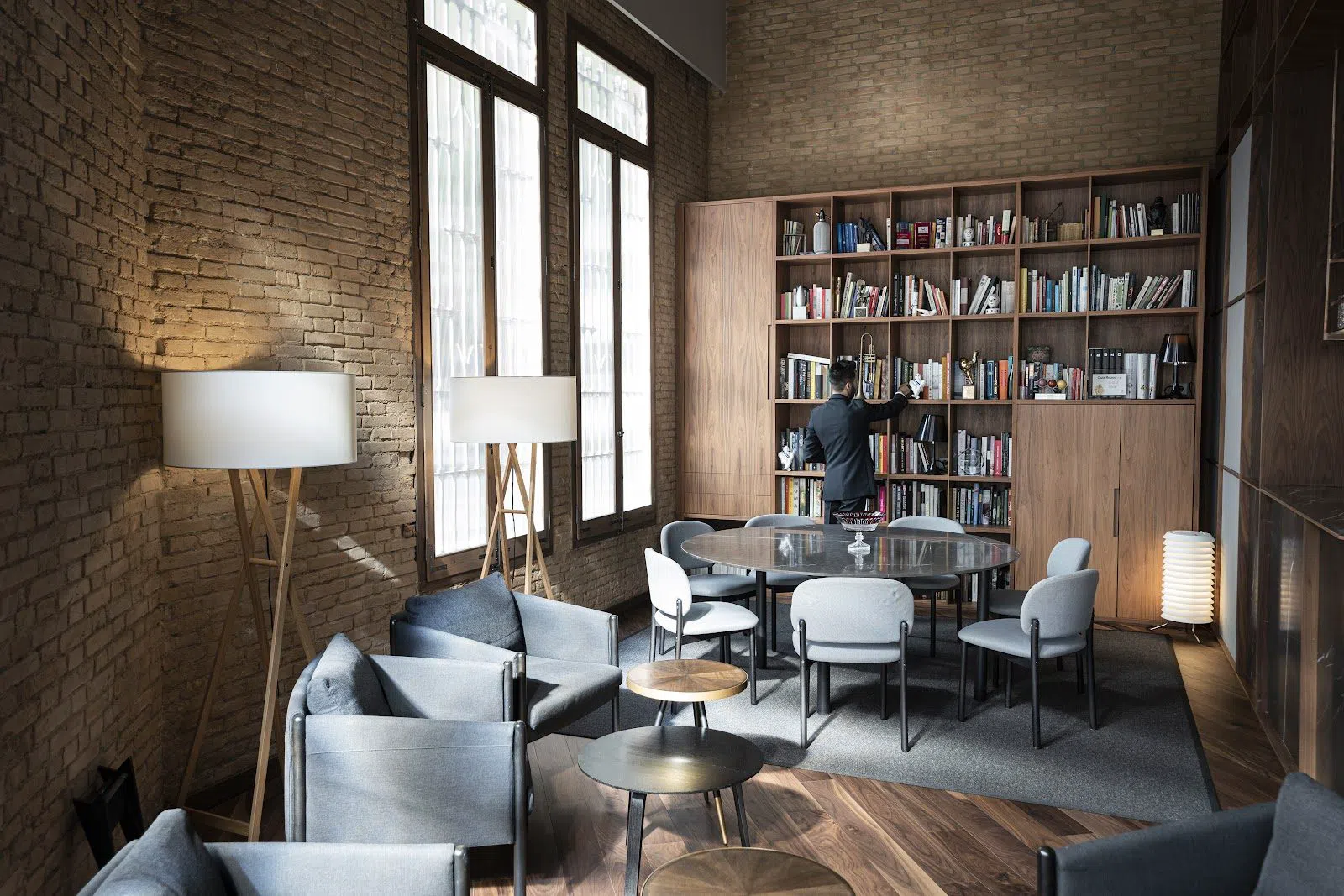
Planning the trip
Getting between these stops is straightforward: the old-town cluster (Mercat Central, Herbolario Navarro, Horchatería Santa Catalina) is walkable in an hour or two, Mercat de Colón is a short metro or tram ride from there, and Ruzafa is an easy walk or a couple of tram stops south. The huerta orchards and the bike tour's grove loop sit outside the city proper. Budget 30-45 minutes each way by car or organised transport, and check whether your orchard visit includes transport or expects you to arrange your own.
Cash is worth carrying for the markets and the horchatería: small stalls and walk-up counters often prefer it even where cards are accepted, and it speeds up a busy Mercat Central stall at 9am. The whole itinerary works best December through April; San Eusebio's closure June-August is the hard boundary, and the market stalls, while open year-round, are simply less interesting to a citrus-focused trip outside the harvest window. Valencia's winters are mild rather than cold, which makes the walking sections of this itinerary comfortable even in January. Pack for cool mornings and mild afternoons rather than genuine cold.
On budget: a market wander and horchatería stop costs next to nothing beyond what you buy; the orchard tours run €22-30 per adult; the bike tour starts around €9 before add-ons; and the two Michelin dinners are the real spend of the trip, at €85-160 per person before wine. A realistic day mixing a market morning, an orchard afternoon and a market-hall dinner sits comfortably under €60 per person outside the fine-dining stops. For where to stay while doing all this, the Valencia hotel search covers options close to the old-town cluster, which keeps the market and horchatería stops walkable and leaves the orchards and Michelin dinners as planned excursions rather than daily treks.
Before you go
When is orange season in Valencia?
Roughly December through April, with the market stalls and orchard tours at their best from January into March. Huerto San Eusebio closes entirely June-August, so organised orchard visits stop for the season.
Can I visit an orange grove near Valencia without a car?
Yes. Both Huerto Ribera and Huerto San Eusebio run guided tours from the city, and the Orange Grove & Monastery Bike Tour with Bike Well departs from central Valencia and returns by train, so no car is needed for any of the three.
Is Mercat Central worth visiting outside the morning?
It's still open and functional later in the day, but the citrus stalls are most photogenic and least crowded between 8 and 10am, before some vendors start packing down.
Do I need to book ahead for the orchard tours?
Yes for both. Huerto Ribera takes standard groups up to 25 and private visits from 8 people; Huerto San Eusebio only guides Thursday through Sunday, so plan around those days.
Where can I try orange blossom rather than just the fruit?
Herbolario Navarro sells azahar water and orange-blossom honey for everyday use, Huerto Ribera includes a honey tasting on its tour, and El Poblet puts citrus blossom itself on a two-Michelin-star tasting menu.